Graphic Learning: Learning Through Visual Thinking
In today’s fast-paced digital world, traditional text-heavy learning is no longer enough to keep students engaged. Many learners struggle to understand complex ideas when they are presented only through words. This is where graphic learning comes in—a powerful approach that combines visuals with information to make learning clearer, faster, and more effective.
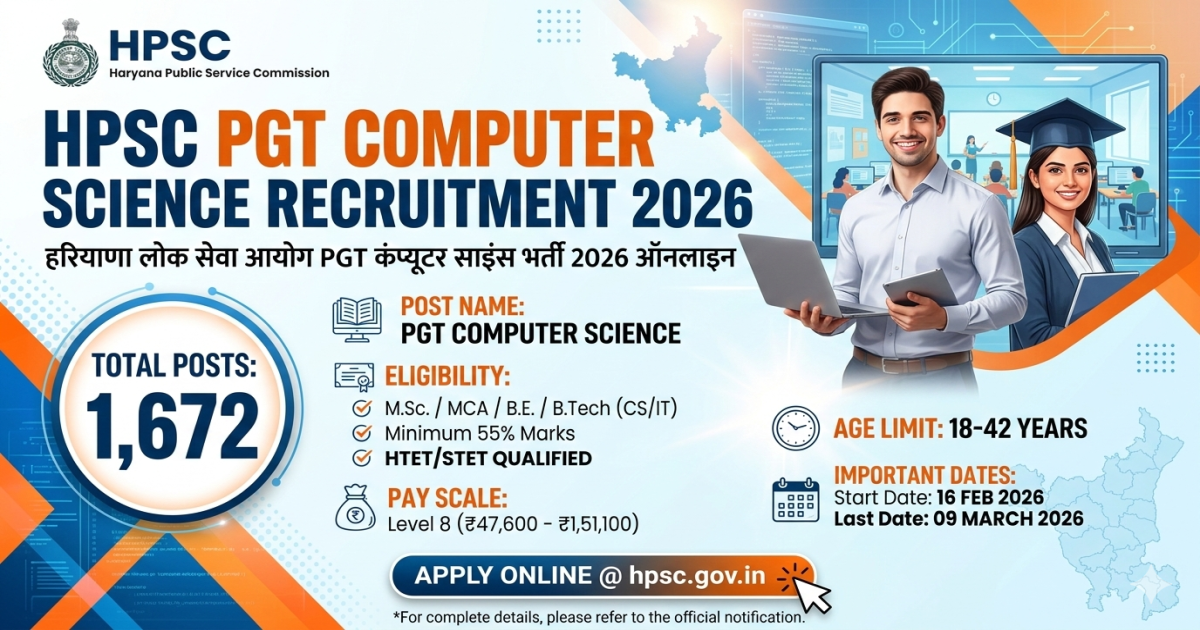
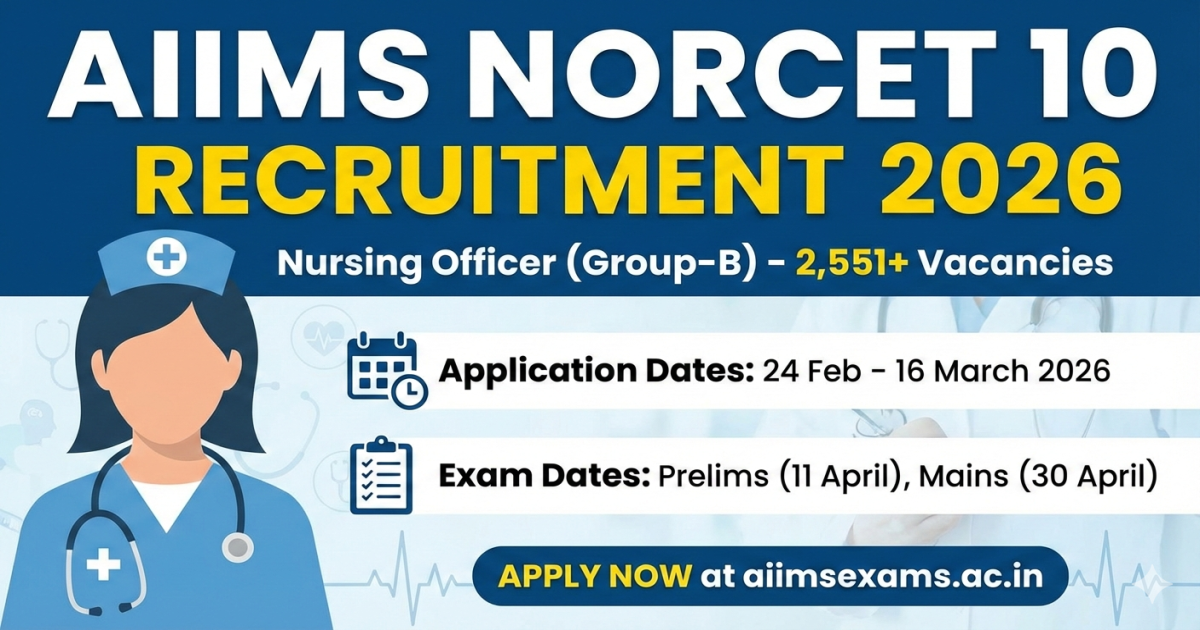
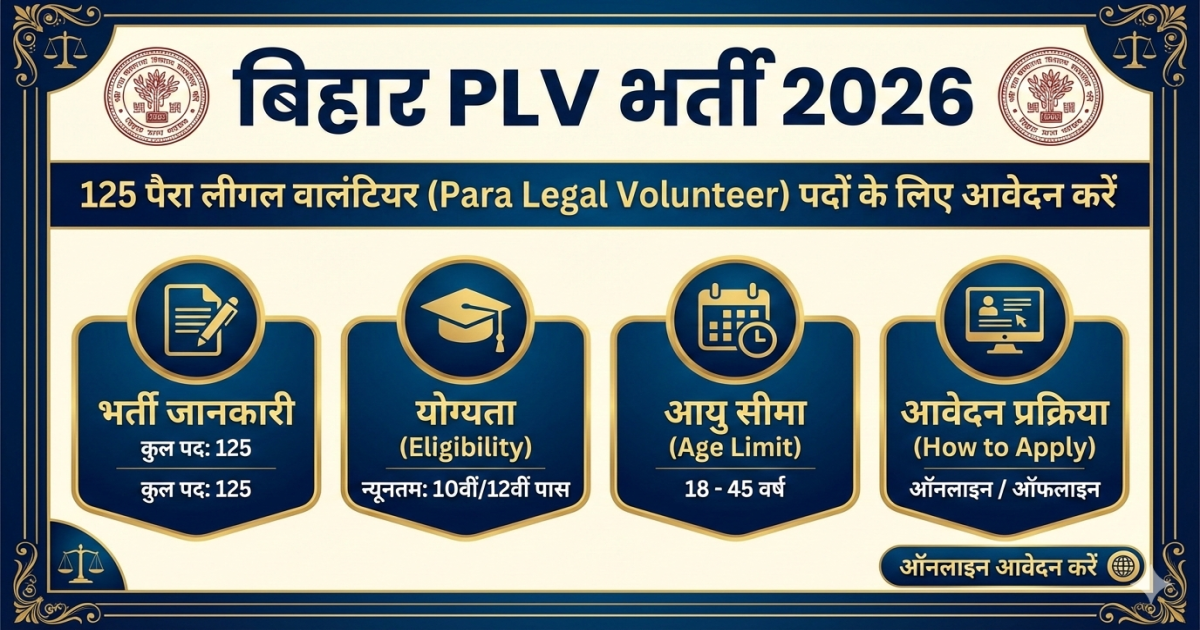
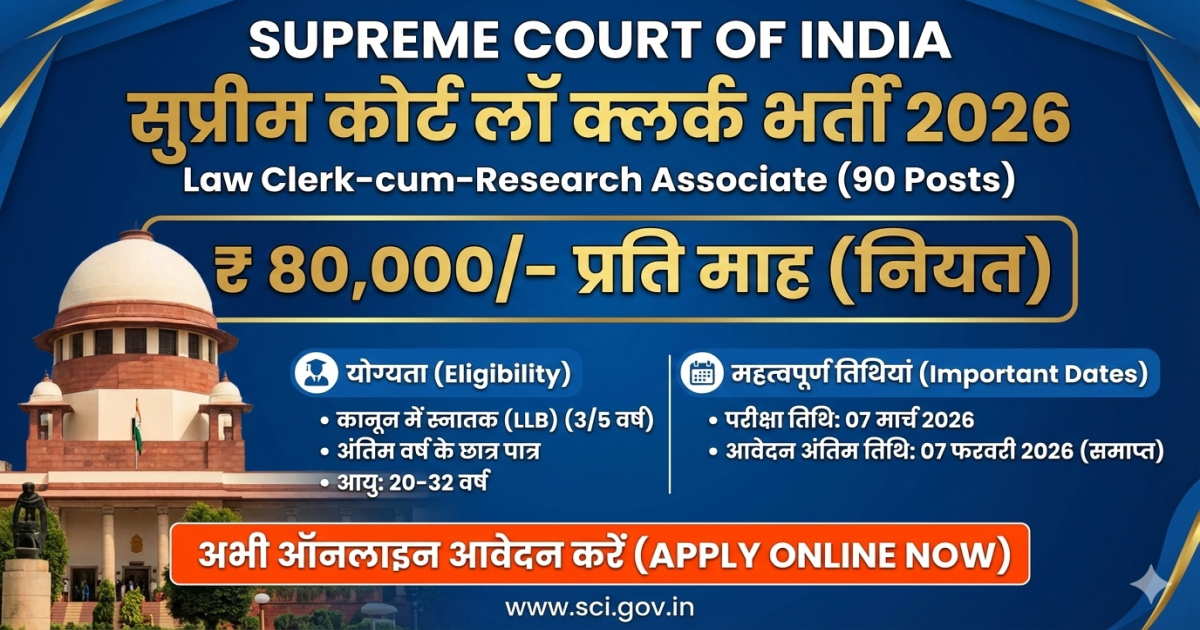
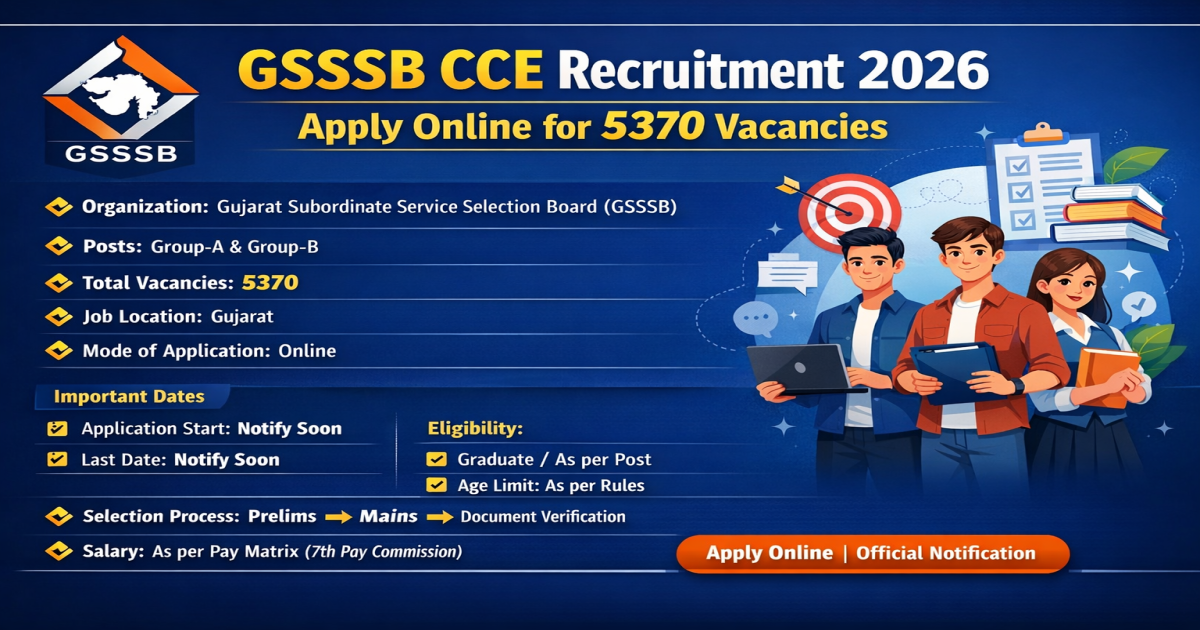
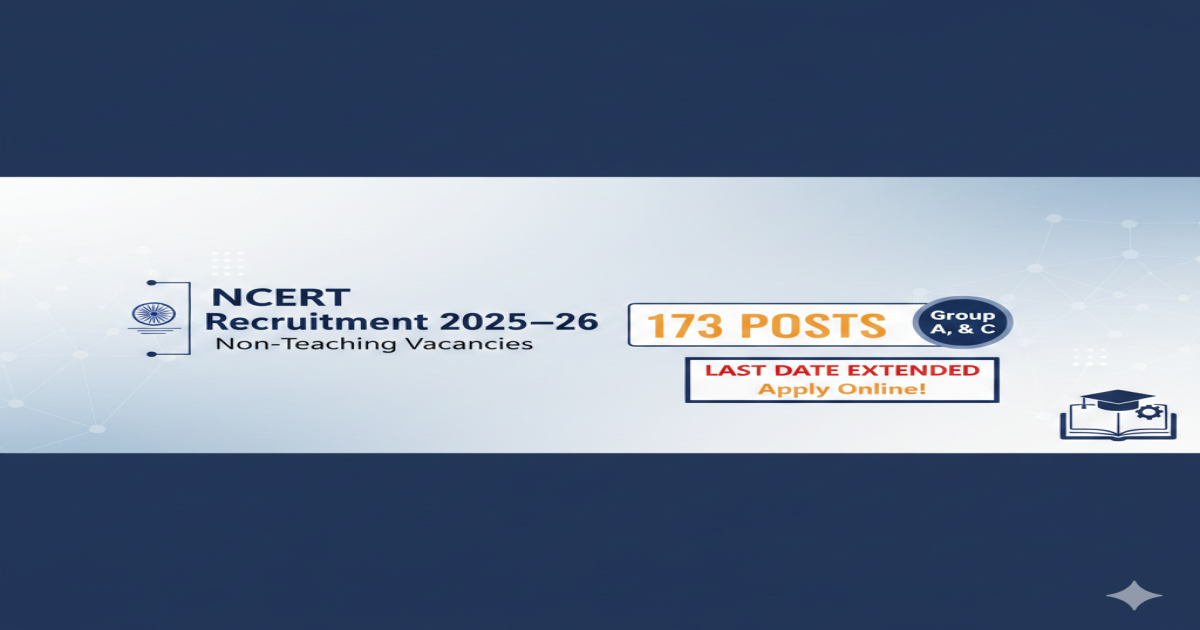
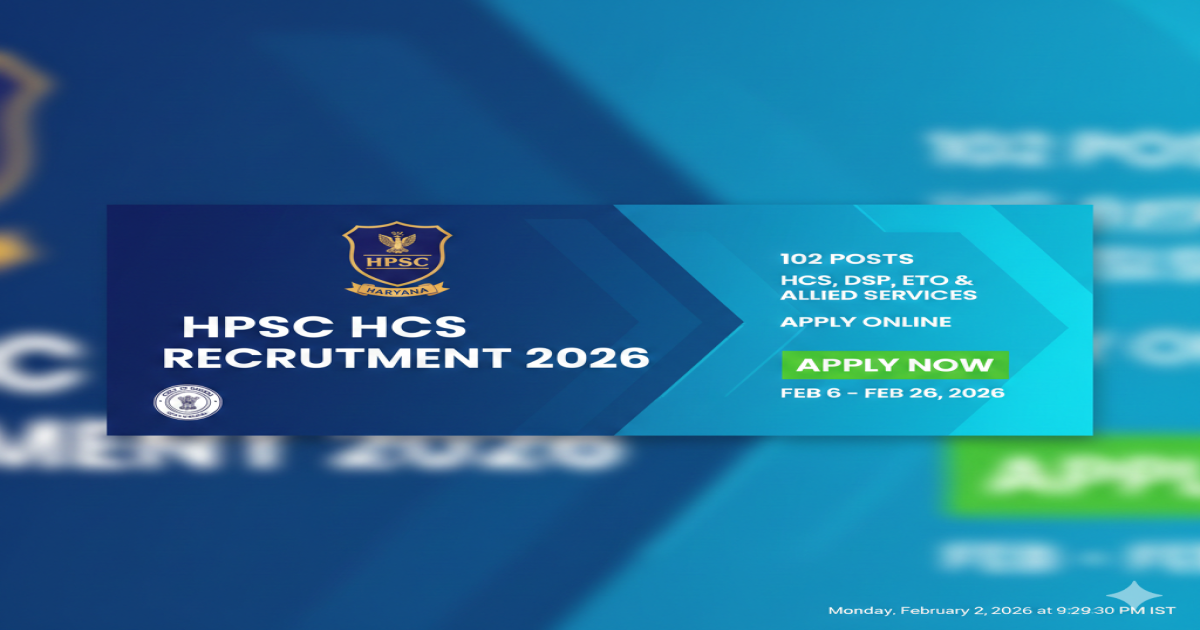
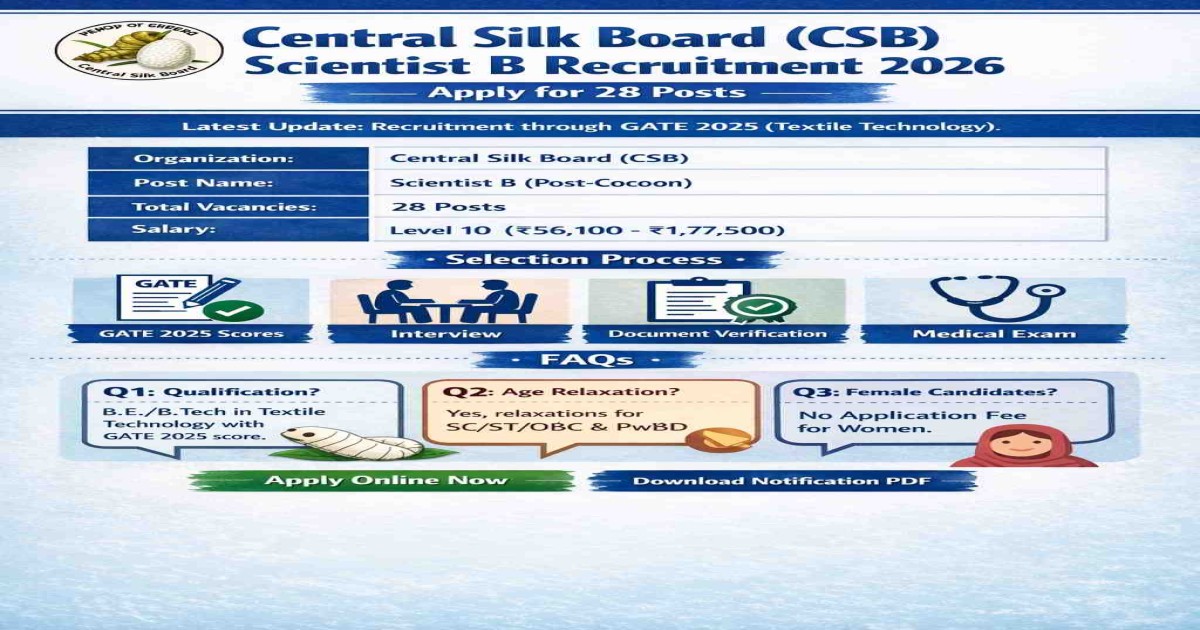
Graphic learning uses images, diagrams, charts, icons, and visual layouts to represent ideas and concepts. It helps learners see relationships, patterns, and structures that might be difficult to grasp through text alone. From classrooms to workplaces, graphic learning is transforming the way people understand and retain information.
What Is Graphic Learning?
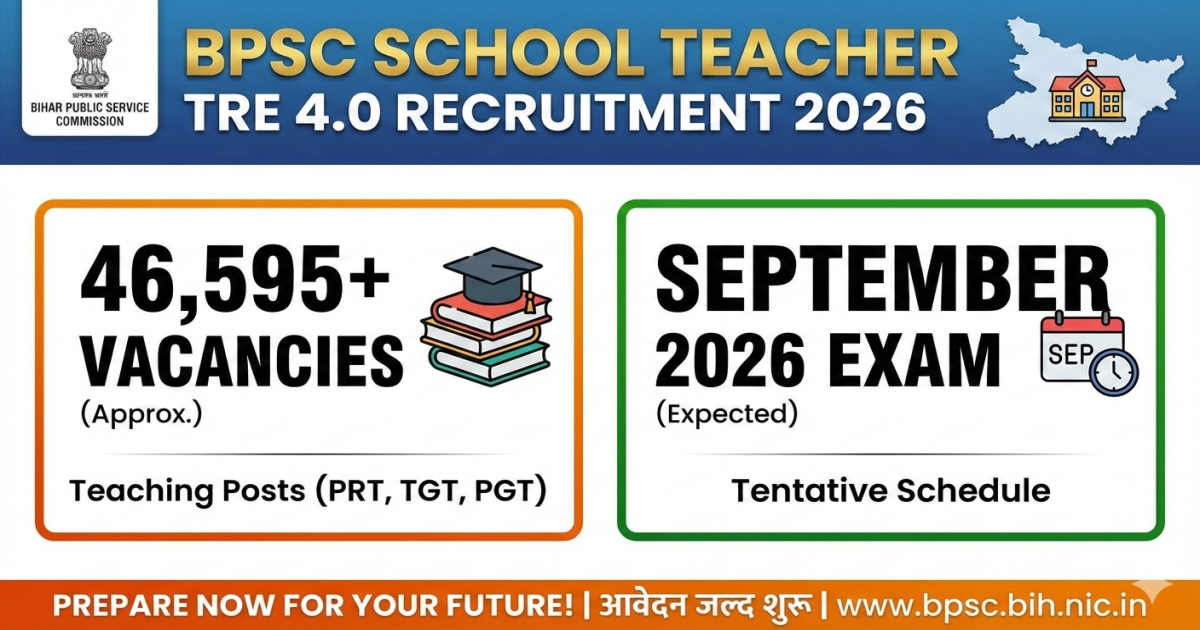
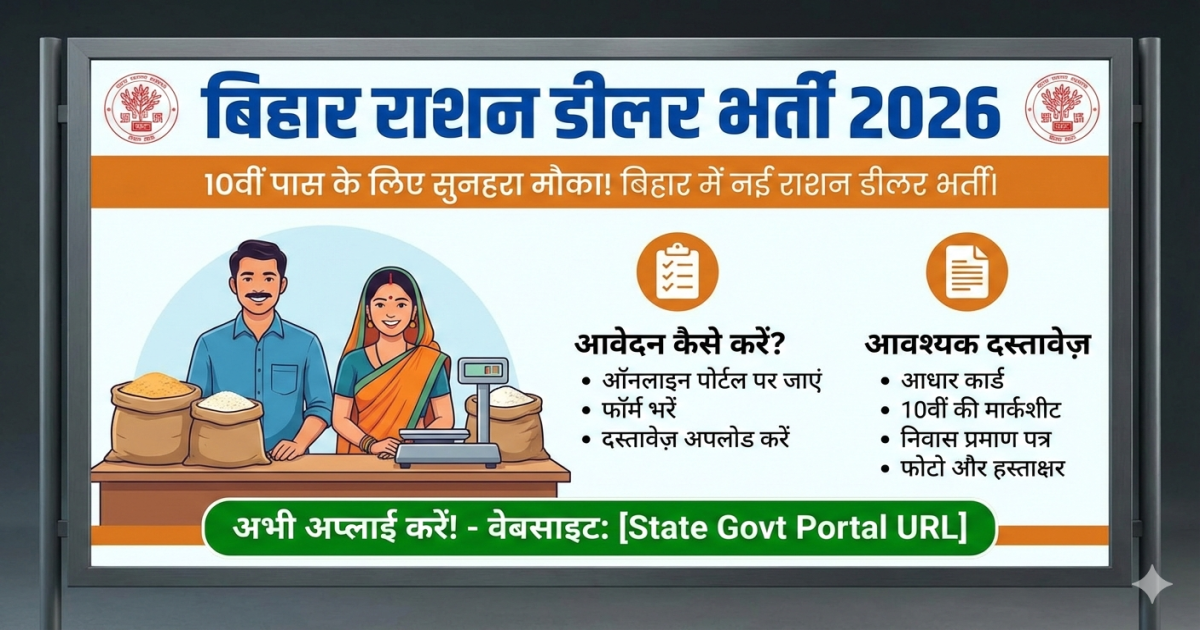
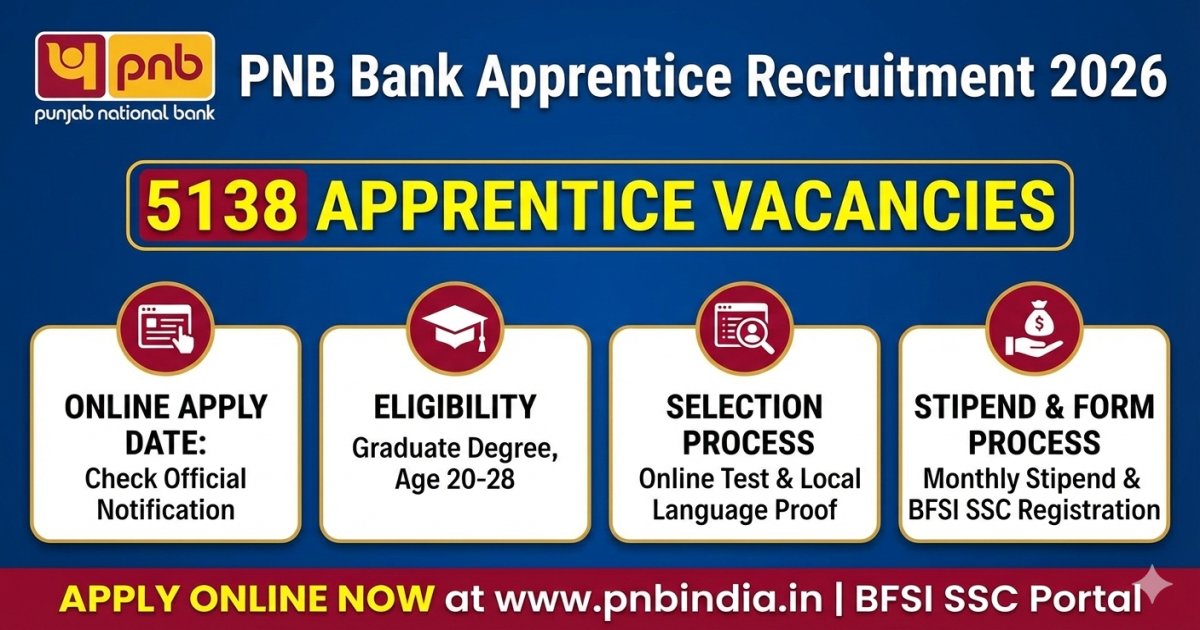
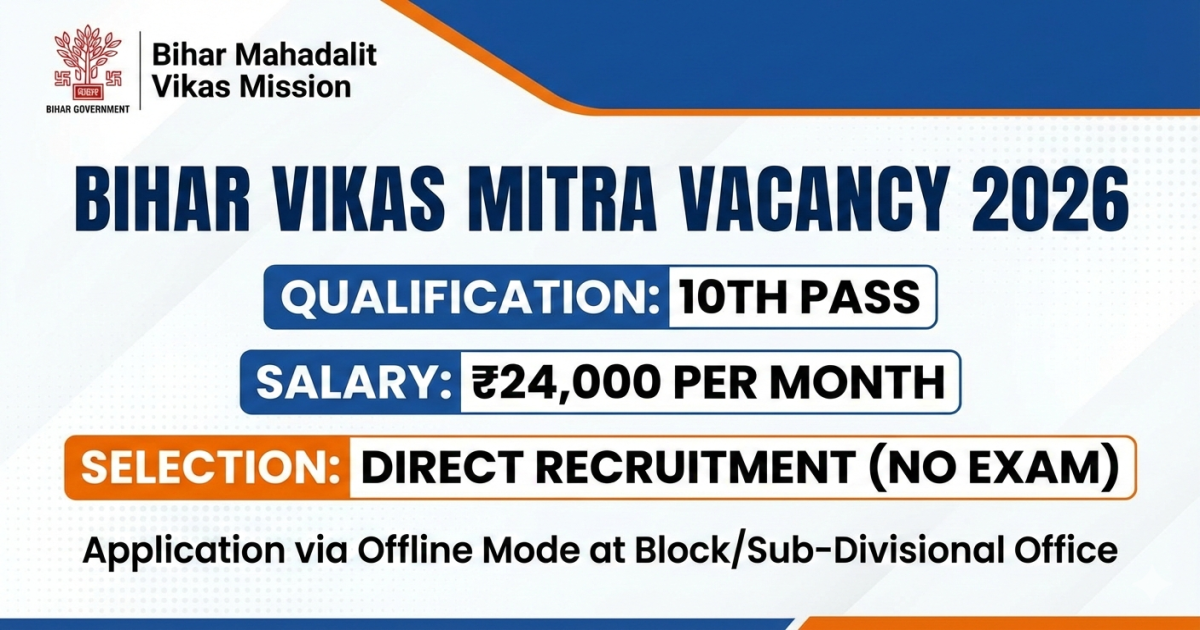
Graphic learning is an educational method that relies on visual representation of information. Instead of reading long paragraphs, learners interact with:
Infographics
Mind maps
Concept maps
Flowcharts
Diagrams
Visual notes and sketches
These visuals turn abstract or complex ideas into simple, organized, and memorable formats. Graphic learning does not replace reading or writing; instead, it supports and enhances them.
Why Graphic Learning Is Important
Human brains are naturally wired to process visual information quickly. Studies show that people remember visuals much better than text alone. Graphic learning takes advantage of this by making information easier to understand and recall.
Key reasons graphic learning is important include:
Improved understanding of difficult topics
Better memory retention
Higher engagement and motivation
Faster learning
Reduced cognitive overload
For students who find reading challenging, graphic learning can be especially helpful.
Types of Graphic Learning Tools
Graphic learning can be used in many forms, depending on the subject and learning goal.
1. Mind Maps
Mind maps visually organize ideas around a central topic. They are excellent for brainstorming, planning essays, and summarizing lessons.
2. Infographics
Infographics combine images, icons, and short text to explain information quickly. They are widely used in science, history, and social studies.
3. Flowcharts
Flowcharts show processes step by step. They are useful in subjects like mathematics, computer science, and problem-solving activities.
4. Concept Maps
Concept maps show relationships between ideas. They help learners understand how different concepts connect to each other.
5. Visual Notes
Also called sketchnotes, visual notes mix drawings, symbols, and keywords to capture information creatively.
Benefits of Graphic Learning for Students
Graphic learning offers many advantages, especially for school-age learners.
Enhances Comprehension
Visuals make complex topics easier to break down and understand.
Supports Different Learning Styles
Not all students learn the same way. Graphic learning supports visual, auditory, and kinesthetic learners.
Encourages Creativity
Students can express their understanding through drawings and layouts, making learning more enjoyable.
Improves Focus
Colorful visuals and organized layouts help maintain attention during lessons.
Builds Critical Thinking
Creating visual representations requires students to analyze, organize, and prioritize information.
Graphic Learning in the Classroom
Teachers around the world are integrating graphic learning into their lessons. Some common classroom uses include:
Visual summaries of chapters
Diagram-based explanations
Group projects using posters or infographics
Visual revision sheets for exams
Graphic learning can be applied to almost any subject—science diagrams, history timelines, math models, or language vocabulary charts.
Graphic Learning in Digital Education
With the rise of online learning, graphic learning has become even more important. Digital tools allow students to create and interact with visuals easily.
Popular digital graphic learning tools include:
Online mind-mapping apps
Infographic design platforms
Interactive whiteboards
Presentation software
These tools make learning more engaging and accessible, especially for remote education.
Challenges of Graphic Learning
While graphic learning has many benefits, it also has some challenges:
It can take time to design effective visuals
Overuse of graphics may cause confusion
Poorly designed visuals can distract learners
To be effective, graphic learning must be clear, simple, and well-organized.
Tips for Using Graphic Learning Effectively
Keep visuals simple and focused
Use consistent colors and symbols
Combine short text with images
Encourage students to create their own visuals
Use graphics to explain, not decorate
Conclusion
Graphic learning is more than just adding pictures to lessons—it is a powerful way of thinking and learning visually. By transforming information into clear and engaging visuals, graphic learning helps students understand better, remember longer, and enjoy the learning process.
As education continues to evolve, graphic learning will play an increasingly important role in classrooms and beyond. Whether you are a student, teacher, or lifelong learner, embracing graphic learning can make knowledge more meaningful and accessible.